Company


The logistics industry is undergoing a transformation. Traditional freight forwarders, which for decades relied on paper, the telephone, and personal networks, now face digital competitors that automate processes and rely on data-driven decisions. A comparison of freight forwarders clearly shows that modern, digital freight forwarders are catching up rapidly—and setting new standards. But what exactly distinguishes the two models? And what are their respective strengths and weaknesses?
The Evolution of Freight Forwarding: From Paper Files to Platforms
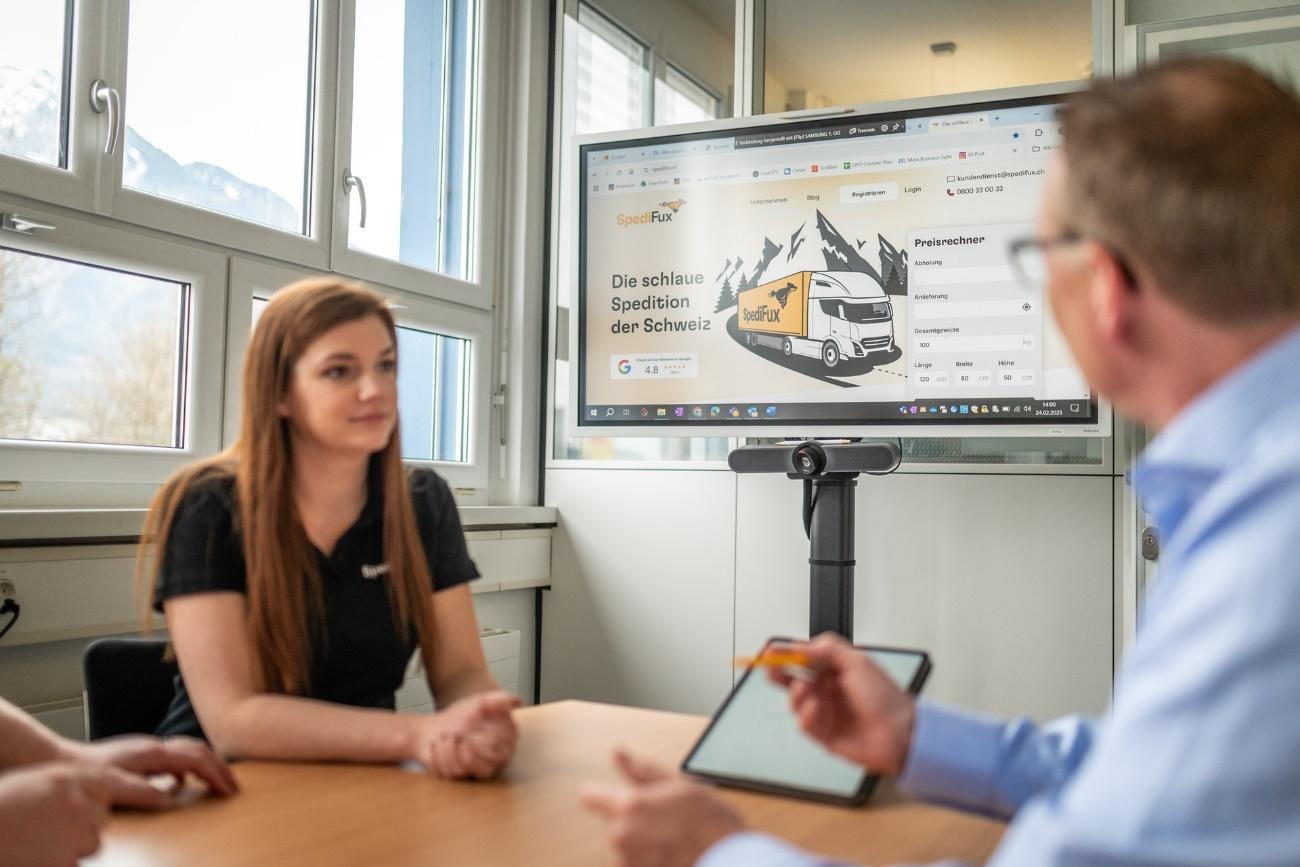
For a long time, traditional freight forwarders were the backbone of freight transport. With their experience, strong networks, and personalized customer service, they were able to reliably organize even complex shipments. Many traditional providers are still in high demand, particularly in the international arena or for special shipments. However, in a world where speed, efficiency, and transparency are key, traditional processes are increasingly reaching their limits.
Digital freight forwarders like SpediFux are bringing a breath of fresh air to the industry. They rely on automated quotes, online booking systems, active tracking, and transparent pricing—all via digital platforms. This saves time, reduces errors, and gives customers more control. In addition, these platforms make it easy to compare services, which is particularly beneficial for small and medium-sized enterprises (SMEs).
What Makes Traditional Freight Forwarders Even Better
Despite the advantages of digital technology, traditional freight forwarders have not become obsolete. They excel particularly when it comes to customized solutions, specialized shipments, or complex logistical requirements, where personal expertise is crucial. Their strengths include years of experience, well-established processes, and a service that is often very personalized.
Customers appreciate having a dedicated contact person who handles all their needs—especially when it comes to sensitive or time-sensitive shipments. Traditional freight forwarders also remain attractive to companies that value long-term partnerships and personalized advice. Many also offer additional services such as warehouse logistics, customs clearance, or hazardous materials transport—services that not every digital platform can provide.
10 Things Modern Freight Forwarders Do Better
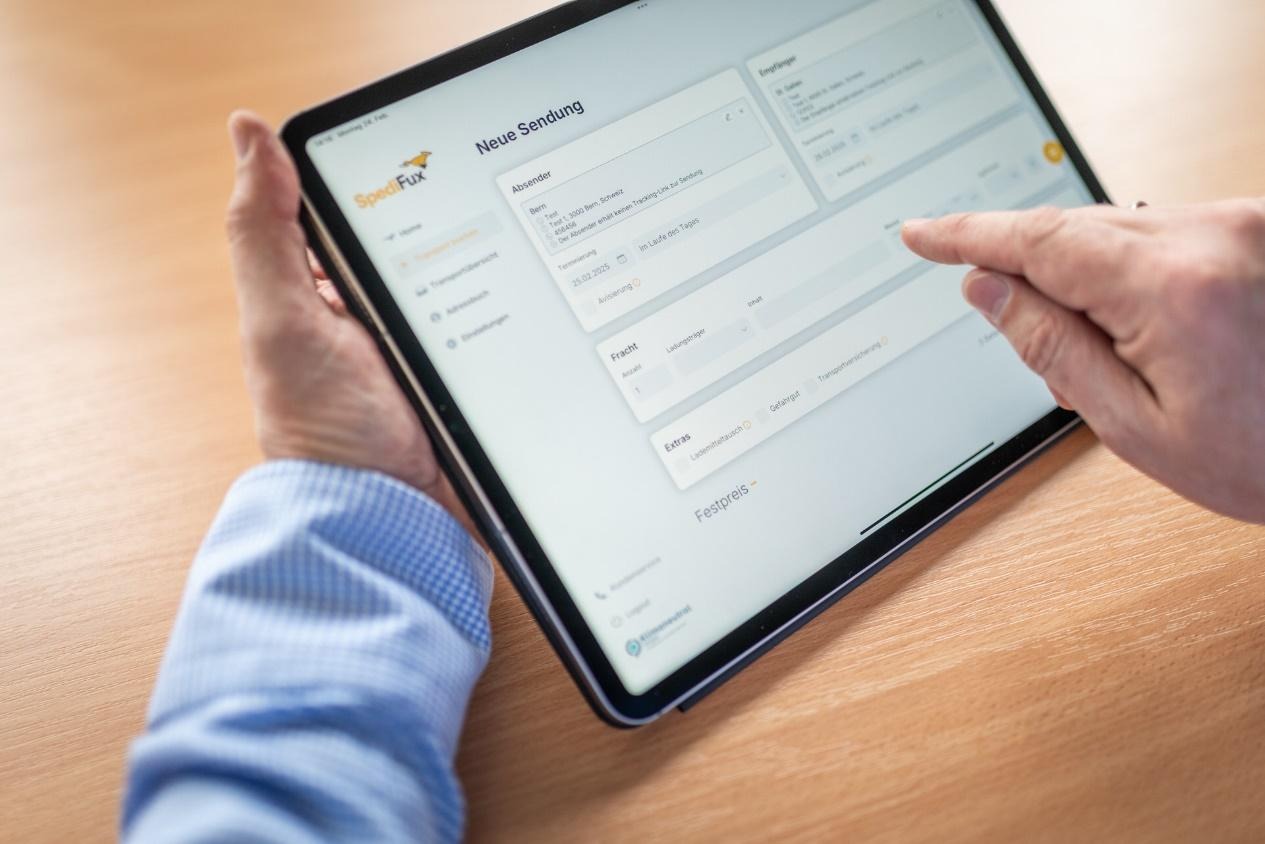
Modern, digital freight forwarders have made tremendous strides in recent years—and in many areas have even surpassed traditional providers. But what exactly are the advantages of these modern logistics service providers? Below, we highlight ten areas where digital freight forwarders particularly stand out today:
In addition, modern freight forwarders use cutting-edge technologies such as artificial intelligence (AI) for route optimization and automated communication tools to further improve customer interaction. These technologies enable proactive planning and reduce empty runs as well as CO2 emissions.
Digital Freight Forwarding—Buzzword or Real Game-Changer?
It has long been clear: Digital freight forwarding is not a short-term trend, but a genuine turning point in logistics. Anyone who wants to organize their shipments efficiently, transparently, and flexibly today can hardly do without digital solutions. Tools like SpediFux’s price calculator not only enable quick price calculations but also provide a solid basis for decision-making.
This isn't an either/or situation, but rather a matter of finding the right balance: Many traditional freight forwarders are now integrating digital elements into their processes—and are thus becoming "hybrid" logistics service providers themselves. This shift also opens up new opportunities for traditional companies to remain competitive and reap the benefits of both worlds.
Another aspect that makes digital freight forwarding services particularly attractive is their user-friendliness. The intuitive operation of modern platforms, quick access to information, and the ability to request quotes and make bookings on mobile devices meet the expectations of many business customers today.
Conclusion: The freight forwarder comparison shows that the future is digital
Traditional freight forwarders have their value—especially when it comes to complex and customized shipments. But the future belongs to digital solutions. They make logistics simpler, faster, and more customer-friendly. Companies that rely on modern freight forwarders like SpediFux today benefit from efficiency, transparency, and competitiveness.
At the same time, it becomes clear that the competitive advantage lies in the combination of experience and digitalization. Those who combine both offer the greatest value to customers.
Calculate shipping costs now with SpediFux's price calculator —it's easy, fast, and free!

